Coherence beats agreement.
Direction · Decisions · AccountabilityCapable leaders can still create conflicting signals. Shared outcomes become real when priorities, decision ownership, incentives and trade-offs support coherent action.

About
I work at the point where leadership, engineering and transformation meet. The LET operating philosophy connects them as one system for creating durable, business-aligned outcomes.
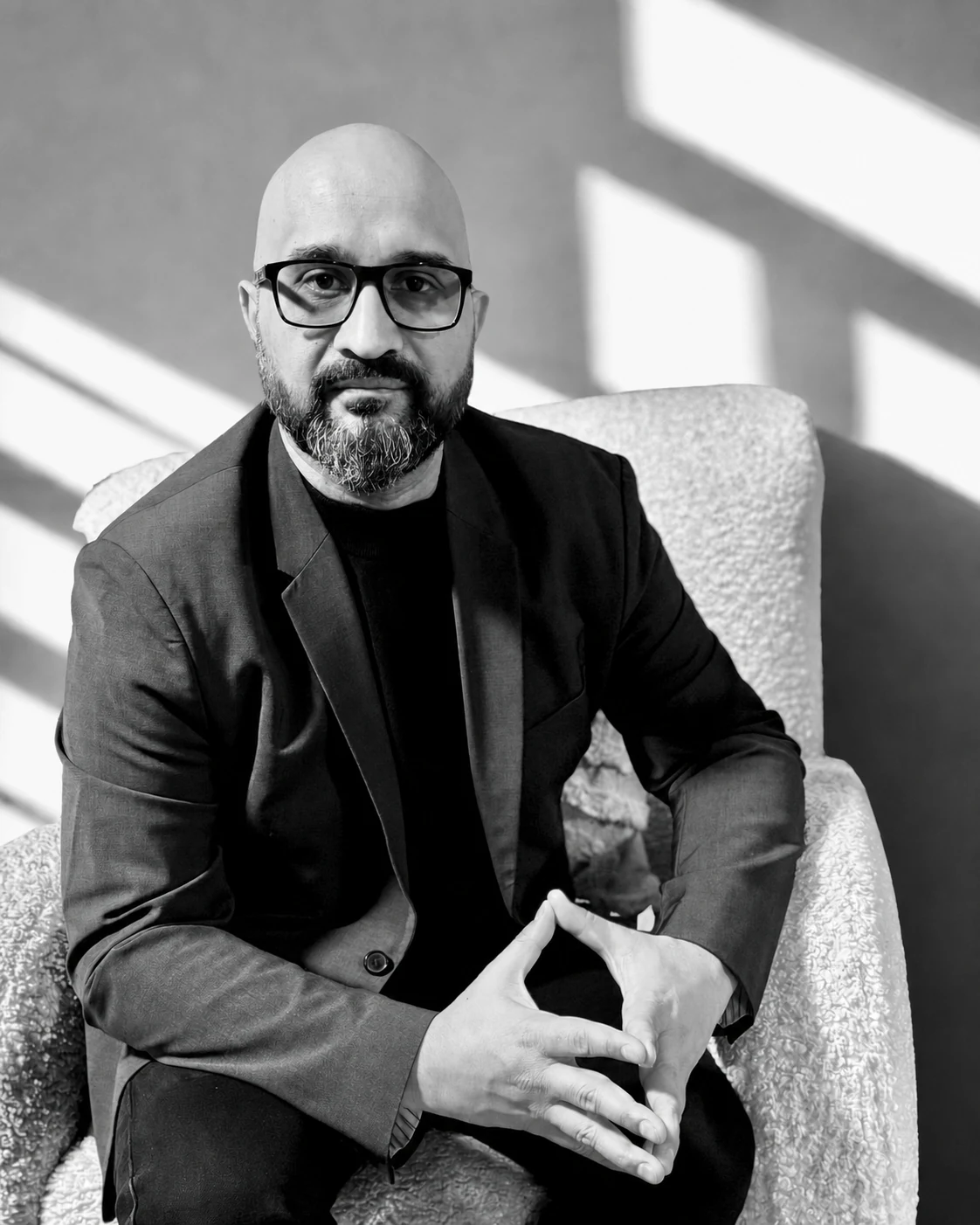
My perspective
My work has moved through software quality, engineering systems, technology strategy, product ecosystems and organizational transformation. The common thread is an interest in how complex systems actually behave - not only how they are described.
Engineering taught me to look for structure, feedback and constraints. Leadership made the system wider: decisions, incentives, trust, context and identity matter as much as process or technology.
I bring the same perspective to AI. The technology creates new possibilities; value appears only when people connect those possibilities to meaningful work, make accountability explicit, build proportionate guardrails and learn from evidence before they scale.
Today, I work with global engineering environments from Norway. Alongside the day-to-day leadership work, I contribute through mentoring, professional communities, speaking and writing.
Experience in practice
Working across technical and organizational boundaries has made four lessons increasingly clear. Each one continues to shape how I lead, question and learn.
Capable leaders can still create conflicting signals. Shared outcomes become real when priorities, decision ownership, incentives and trade-offs support coherent action.
Growth multiplies coordination unless the operating model evolves with it. Clear decision rights, purposeful team boundaries and short feedback loops make engineering capability easier to repeat.
Activity is not evidence of transformation. Change endures when everyday operating conditions, behavior and learning improve beyond the life of an initiative.
Useful AI begins with a meaningful outcome and a person accountable for it. Proportionate controls, evaluation and operating evidence should develop alongside the technology.
The LET operating philosophy
Leadership creates direction. Engineering builds capability. Transformation makes change endure.
Intent, priorities, accountability and choices people can act upon.
Products, systems and organizational competence that turn intent into results.
Operating conditions and learning that survive beyond the initiative.
Value hypotheses, human accountability, engineering guardrails and evidence-backed adoption strengthen all three responsibilities.
Beyond the role
Speaking, mentoring and writing are opportunities to test ideas against different contexts and help others build their own judgment.